


How to paint stairs: A complete guide for a fresh look
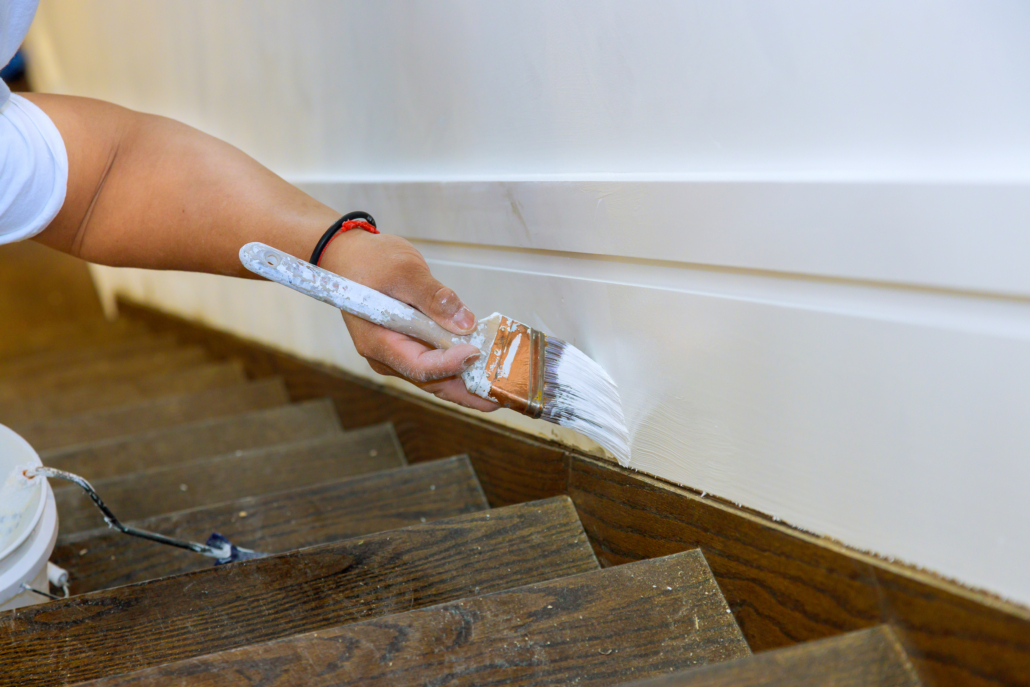
How to paint stairs: A complete guide for a fresh look
Stairs are often the focal point of a home, and giving them a fresh coat of paint can completely transform your space. While not all staircases are suited to a simple paint job, and older or heavily worn stairs may need a full staircase renovation – like those offered by Jarrods Staircases – in the right circumstances, painting your existing stairs yourself can be a rewarding project, adding style and personality while giving your home a cleaner, more modern feel. However, this task does require preparation, patience, and attention to detail.
In this guide, we take you through everything you need to know about painting stairs, from preparation to finishing touches.
How to prepare stairs for painting
Preparation is key to a smooth, long-lasting finish. With this in mind, start by removing any furniture or clutter from the immediate area, lay down dust sheets to protect your flooring, and use masking tape to protect edges, skirting boards, and any areas you don’t want painted.
Dust, dirt, and other debris can prevent paint from sticking, so next, spend some time cleaning your stairs thoroughly. Use a gentle floor cleaner or sugar soap, then rinse with clean water and allow the stairs to dry completely before starting.
If your stairs are already painted or varnished, you will have to lightly sand them to remove the glossy finish. Sanding creates a surface the new paint can grip to, ensuring a professional finish. For timber staircases, like the custom wooden options Jarrods Staircases provides, sanding also highlights any imperfections that may need filling before painting.
It’s also worth remembering that older stairs may have cracks, uneven surfaces, or outdated designs that sanding and painting alone cannot fix. In these cases, a professional renovation might be a smarter choice.
How to remove paint from stairs
Old, peeling paint can ruin a fresh coat, so it’s essential to remove it first. For small areas, a scraper or sandpaper – as described above – can work well. For larger areas, a chemical paint stripper may be needed to speed up the process. If this is the case, always follow safety instructions and wear gloves.
Once the paint is removed, sand the surface smooth and clean away dust. This step is particularly important for high-traffic staircases, as an even base ensures your new paint lasts longer. If the surface is too worn, we recommend considering a full wooden staircase renovation.
How to paint stairs and landing: step-by-step guide
Painting stairs involves several components – risers, treads, spindles, handrails, and sometimes walls. Tackling each area methodically helps prevent mistakes and drips.
How to paint stair risers
Start with the risers, the vertical parts of each step. Use a small, angled brush to cut in along the edges, then a larger brush or roller for the main surfaces. For a crisp finish, apply two thin coats rather than one thick layer.
How to paint stair treads
Treads are the horizontal parts of the steps, so they typically get the most wear. For this reason, try to use paint designed for floors or high-traffic areas. Apply even coats with a brush or roller, and always allow each layer to dry fully before walking on them. Anti-slip additives can also be added, which is especially useful for homes with children or pets.
Remember – if your treads are heavily worn or uneven, painting may only provide a temporary fix. Here at Jarrods, we can replace treads entirely as part of a staircase renovation, offering a long-lasting, professional finish.
How to paint stair spindles
Spindles can be fiddly, but with patience, you can achieve a clean result. Use a small brush and paint from top to bottom, working in small sections at a time to avoid drips. For timber spindles, sanding lightly before painting ensures the new coat adheres properly. Jarrods can also replace intricate or damaged spindles during a full renovation for a complete refresh.
How to paint stair handrail
Handrails need a smooth, durable finish. Sand the handrail lightly, then apply a primer if required. Use a long, even brush stroke along the length of the rail, working in sections. Multiple thin coats will give a glossy, professional look while reducing drips. A painted handrail from Jarrods can enhance the elegance of your staircase, or a full renovation can replace it entirely for a modern upgrade.
How do you paint high walls on stairs
Painting walls next to stairs can be tricky because of the angle. Use an extension pole with a roller to reach higher areas safely. Mask off edges with painter’s tape to prevent splashes on freshly painted stairs. For precision, a small angled brush works well along corners and trim. Slow, careful strokes are essential to achieve a smooth, even finish.
Painting your stairs can dramatically improve the look of your home. But if your staircase is old, worn, or uneven, sometimes painting alone isn’t enough. Whether you currently have a traditional wooden staircase or a contemporary metal model, a full renovation from Jarrods can replace worn treads, spindles, and handrails, providing a fresh, durable finish that enhances both the safety and style of your home.
Whether you choose to tackle a paint project yourself or opt for a professional renovation, taking care of your stairs can help to ensure they remain a beautiful focal point for years to come.
Jarrod Matthews of Jarrods Staircases has been installing bespoke staircases up and down the country. What started as a family operated business has now expanded to a team of highly experienced professionals that pay attention to detail in the craftsmanship of wooden and metal designs that are superior and made to last.