


Metal Staircase Design Ideas for Every Style of Home
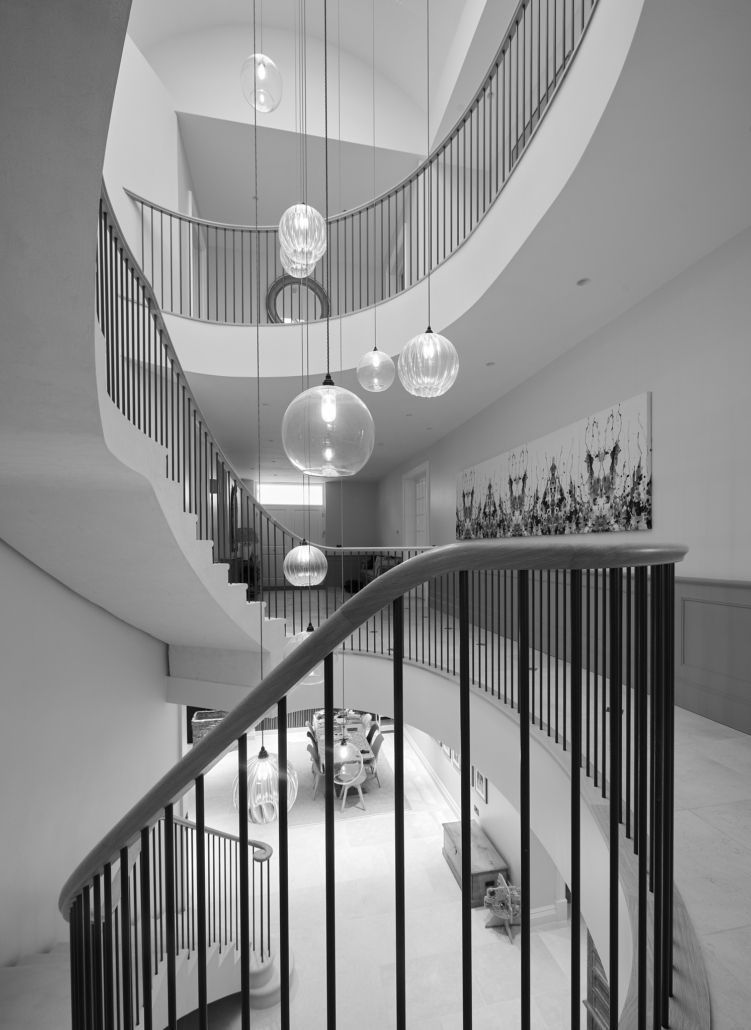
Metal Staircase Design Ideas for Every Style of Home
Metal can make a staircase feel crisp and architectural, finely decorative or quietly refined. Its character depends on how it is formed, finished and combined with the materials around it. That versatility is why metal now appears in new-build interiors, renovated family homes, warehouse conversions and period properties alike.
Choosing a metal staircase is not simply a decision between steel and wrought iron. The structural expression, balustrade pattern, handrail, tread material, colour and surface sheen all affect the result. A successful design treats these elements as part of the whole room, creating a staircase that feels at home in its setting while bringing a distinctive feature to the interior.
Metal Staircases Are Not Limited to Industrial Interiors
Exposed steel, dark finishes and strong straight lines naturally complement industrial schemes, but metal is not tied to that aesthetic. Slim spindles can reduce visual weight in a compact hallway. Polished stainless steel can introduce a precise contemporary accent beside clear glass. Ornamental wrought-iron elements can suit traditional interiors where texture, rhythm and craftsmanship matter more than minimalism.
The amount of metal matters as much as the type. Some homes suit a steel structure at the centre of the design. Others only need a metal balustrade, discreet clamps or a slim handrail beside warm timber. Start with the atmosphere you want rather than letting the material dictate the style.
Create a Clean Contemporary Metal Staircase
A modern design usually relies on restraint. Straight balusters, consistent gaps and simple connections allow the proportions of the flight to lead. Powder-coated black and deep charcoal remain popular because they create definition without the reflection of polished metal, but softer neutrals and muted colours can make the same geometry feel less severe. A slim profile keeps sightlines open across a hall or open-plan room.
The staircase can express its engineering. A central steel spine creates a strong line, while paired stringers feel balanced and precise. Concealed support can contribute to the effect associated with floating staircases. Every junction needs careful detailing because simplicity makes inconsistencies easier to see.
Bring Character With Classic Metalwork
Traditional metal staircase design is about more than adding scrolls. The scale, spacing and repetition of the balustrade must relate to the newel posts, handrail and architecture of the home. Fine Italian wrought-iron spindles can introduce curves and crafted detail, while a restrained alternating pattern may suit properties that need character without excessive ornament.
Timber is valuable in a classic scheme. Oak handrails and newel posts provide warmth and connect the stairs to doors, floors or original joinery. A painted string helps new metalwork settle into an established hall. Jarrods’ classic metal staircases are bespoke, so patterns and finishes respond to the property rather than generic proportions.
Choose a Metal and Finish for the Desired Effect
Stainless steel offers a clean, precise appearance and can be polished for stronger reflection or brushed for a softer sheen. Powder-coated steel provides an extensive choice of colours and a consistent surface, making it useful when the design needs to coordinate with window frames, radiators or architectural hardware. Chrome details can create bright highlights, while painted finishes provide further decorative flexibility. Galvanised effects have a more utilitarian personality and must be chosen with the wider interior in mind.
The British Stainless Steel Association explains that architectural selection should consider the grade and surface finish of stainless steel so performance meets expectations. A specialist can advise on suitable materials for the construction and desired appearance. View real samples beside the flooring and in the room’s changing light.
Pair Metal With Timber for Warmth
Metal and wood work well because each emphasises the qualities of the other. Steel brings slender lines and visual precision; timber contributes grain, warmth and a comfortable tactile surface. Oak treads on a dark spine are a familiar contemporary combination, but the result can be personalised through timber species, tread thickness, edge profile and finish. Paler wood gives the design an airy feel, while darker tones create a richer contrast.
The timber does not have to be limited to treads. A continuous wooden handrail can soften a metal balustrade, and substantial timber newels can anchor fine spindles in a traditional setting. Coordinating the timber with nearby floors can create flow, but an exact match is not always required. Related undertones and a deliberate contrast often look more natural than several surfaces that almost, but do not quite, match.
Use Glass to Keep Views Open
Glass provides guarding while allowing the stair structure and surrounding architecture to remain visible. With stainless steel clamps or posts, it creates a polished modern feature. With dark powder-coated components, the outline becomes more graphic. A glass staircase can also include timber handrails or treads, resulting in a three-material palette that balances transparency, warmth and precision.
Decide whether the metal should frame the glass or appear as a series of minimal fixing points. Posts give the balustrade a regular rhythm and can connect visually with other lines in the room. Clamped or more frameless-looking panels place greater emphasis on transparency. Clear, tinted and frosted finishes further change the effect. The glass, fixings and supporting elements must be specified as one safe balustrade system rather than assembled as unrelated decorative parts.
Let the Balustrade Set the Rhythm
The balustrade is usually the most visible part of a metal staircase, particularly when the structural flight is timber. Its pattern can make a hall feel taller, wider, calmer or busier. Vertical spindles draw the eye upwards and suit many homes because their repetition feels ordered. Curves add movement, while mixed straight and decorative elements can create emphasis without filling every gap with ornament.
Scale is crucial. Fine components can look lost beside heavy newels, while thick bars may enclose a narrow hall. The design must also meet relevant guarding requirements, so spacing cannot be separated from safety. Bespoke manufacture adjusts the pattern to the actual flight and produces balanced start and end points.
Consider Colour Beyond Black and Silver
Black metal is effective because it outlines the staircase and connects easily with popular window and door finishes. It is not the only sophisticated option. Warm greys can sit more gently beside oak, off-white can reduce contrast in a pale hallway, and bronze or aged metallic tones can complement period details. A carefully chosen colour can make metal feel like part of the interior palette rather than an isolated feature.
Think about sheen as well as hue. Matt surfaces absorb more light and tend to feel contemporary. Satin finishes provide a subtle highlight along edges, while polished components become brighter and more visually active. The most reflective option is not necessarily the most luxurious. Consistent preparation, clean junctions and a finish suited to daily handling have a greater effect on perceived quality.
Plan Lighting Around Texture and Shadow
Metal changes appearance as light moves across it. Daylight can pick out the grain of a brushed finish, while evening lighting throws the pattern of a balustrade onto nearby walls. Recessed wall lights or discreet illumination beneath treads can help define the route and strengthen a floating effect. A pendant above a stairwell can create a larger composition with the flight, but its drop and position must respect circulation and headroom.
Plan lighting before manufacture. Cables, channels and fixing positions are easier to integrate during design, especially within a spine or beneath open treads. Warm light can soften black steel and timber, whereas cooler light emphasises polished stainless steel. Test colour temperature against samples before selecting fittings.
Make the Staircase Comfortable for Daily Life
Structural metal staircases are engineered for stability, and good design prevents the loose connections or unsuitable details that can contribute to unwanted sound. Treads, interfaces and fixings should be considered together. Timber treads change the acoustic character compared with exposed metal, while rugs are not an appropriate substitute for a properly resolved construction. An experienced designer can explain how the chosen system will feel underfoot.
Maintenance depends on the finish. Frequently touched handrails need simple cleaning, and reflective surfaces reveal marks more readily than textured or matt ones. Abrasive products can damage some coatings or alter the appearance of polished metal, so follow the aftercare guidance supplied for the installation. A design selected for the realities of the household will keep its intended appearance with less effort.
Develop a Bespoke Design With Jarrods Staircases
A metal staircase should be designed from the property outwards. Accurate measurements, an understanding of the existing structure and discussion of the household’s priorities shape the appropriate flight, balustrade and finishes. Samples help compare how metal works with timber, glass, flooring and wall colours before components are made. Bespoke planning also allows the staircase to coordinate with wider renovation work rather than becoming a late addition.
Jarrods Staircases has more than 25 years of experience designing, handcrafting and installing distinctive staircases. Its in-house team offers contemporary stainless steel, classic wrought iron, powder-coated finishes and mixed-material solutions for homes across England, Wales and the Channel Islands. Most installations are completed in one to two days and are backed by a ten-year guarantee. To turn your ideas into a design tailored to your home, arrange a free consultation.
Jarrod Matthews of Jarrods Staircases has been installing bespoke staircases up and down the country. What started as a family operated business has now expanded to a team of highly experienced professionals that pay attention to detail in the craftsmanship of wooden and metal designs that are superior and made to last.