


What Type Of Metal Is Used On Staircases?
What Type Of Metal Is Used On Staircases?
/in Bespoke Staircases /by Jarrod MatthewsChoosing the right material is one of the most important decisions when designing a staircase. While timber remains a timeless favourite, metal has become increasingly popular in homes across the UK thanks to its strength, versatility and contemporary appearance. Whether you are planning a new build or renovating your current property, understanding the different types of metal used in staircase construction will help you make an informed decision that suits both your home and your lifestyle.
At Jarrods Staircases, we design and install metal staircases that combine expert craftsmanship with high-quality materials. Every staircase we create is tailored to the individual property, ensuring it is not only visually impressive but also built to perform for decades. Different metals offer different advantages, and selecting the right one depends on factors such as design, durability, maintenance requirements and the overall style you want to achieve. In this guide, we explain the most common metals used for staircases, their benefits and why they continue to be a popular choice for modern homes.
Why Metal Is Such a Popular Choice
Metal has become one of the most versatile materials used in staircase design. Its exceptional strength allows for slim structural elements that create a clean and contemporary appearance without compromising stability. Unlike some traditional materials, metal can be formed into a wide range of shapes and styles, making it suitable for both simple and highly detailed staircase designs.
Another reason homeowners choose metal is its durability. A well-designed metal staircase can withstand decades of daily use while requiring relatively little maintenance. This makes it particularly attractive for busy households where long-term reliability is important.
Metal also works exceptionally well alongside other materials. It can be combined with oak treads, glass balustrades and stone flooring to create a balanced design that suits almost any type of interior. This flexibility has helped make metal a leading choice in contemporary staircase design throughout the UK.
Mild Steel – The Most Common Structural Material
The most widely used material for residential staircase frameworks is mild steel. It provides an excellent balance between strength, affordability and versatility, making it ideal for bespoke staircase construction.
Mild steel is relatively easy to fabricate, allowing designers and manufacturers to create a wide variety of staircase styles. It can be welded, shaped and finished in numerous ways, giving homeowners complete flexibility over the final appearance.
One of the biggest advantages of mild steel is that it accepts powder coating extremely well. Powder coating provides a durable protective finish while allowing almost any colour to be applied. Black remains one of the most popular finishes because it complements both traditional and contemporary interiors.
At Jarrods Staircases, mild steel is frequently used as the structural foundation for staircases that combine strength with elegant design.
Stainless Steel for Modern Living
Another popular option is stainless steel, particularly in homes where a sleek, contemporary appearance is desired. Stainless steel is valued for its excellent resistance to corrosion and its clean, polished finish.
Unlike mild steel, stainless steel naturally resists rust due to the chromium content within the material. This makes it particularly suitable for areas exposed to moisture or where minimal maintenance is preferred.
Many homeowners choose stainless steel staircases because they create a sophisticated architectural appearance. Brushed stainless steel finishes are especially popular, offering a refined look without excessive shine.
Stainless steel is commonly used for balustrades, handrails and decorative details rather than complete structural frameworks, although fully stainless steel staircases are also possible for certain projects.
Structural Steel for Larger Staircases
In larger residential properties or commercial environments, structural steel is often used to provide additional strength. This material is capable of supporting substantial loads while maintaining relatively slim profiles.
Structural steel allows designers to create impressive floating staircases, open-plan features and cantilevered designs that would be difficult to achieve using timber alone. Hidden steel supports also contribute to the minimalist appearance increasingly associated with modern architecture.
Although structural steel provides outstanding performance, it is usually concealed within the staircase so that homeowners see only the finished design rather than the engineering behind it.
Its hidden strength allows creative freedom while ensuring the staircase remains safe and stable.
Powder-Coated Steel Finishes
The finish applied to metal is just as important as the material itself. Powder coating has become the preferred finishing method for many residential staircases because it provides both protection and design flexibility.
Unlike traditional paint, powder coating forms a highly durable surface that resists scratches, chips and everyday wear. This helps maintain the appearance of the staircase even in busy family homes.
Black remains the most requested colour, although white, grey and bespoke shades are becoming increasingly popular. The finish can also be selected in matte, satin or textured variations to suit different interior styles.
A quality powder-coated finish ensures the staircase continues to look impressive while requiring very little maintenance.
Combining Metal with Timber
One of today’s most popular staircase styles combines metal with timber. This pairing creates an attractive contrast between industrial strength and natural warmth.
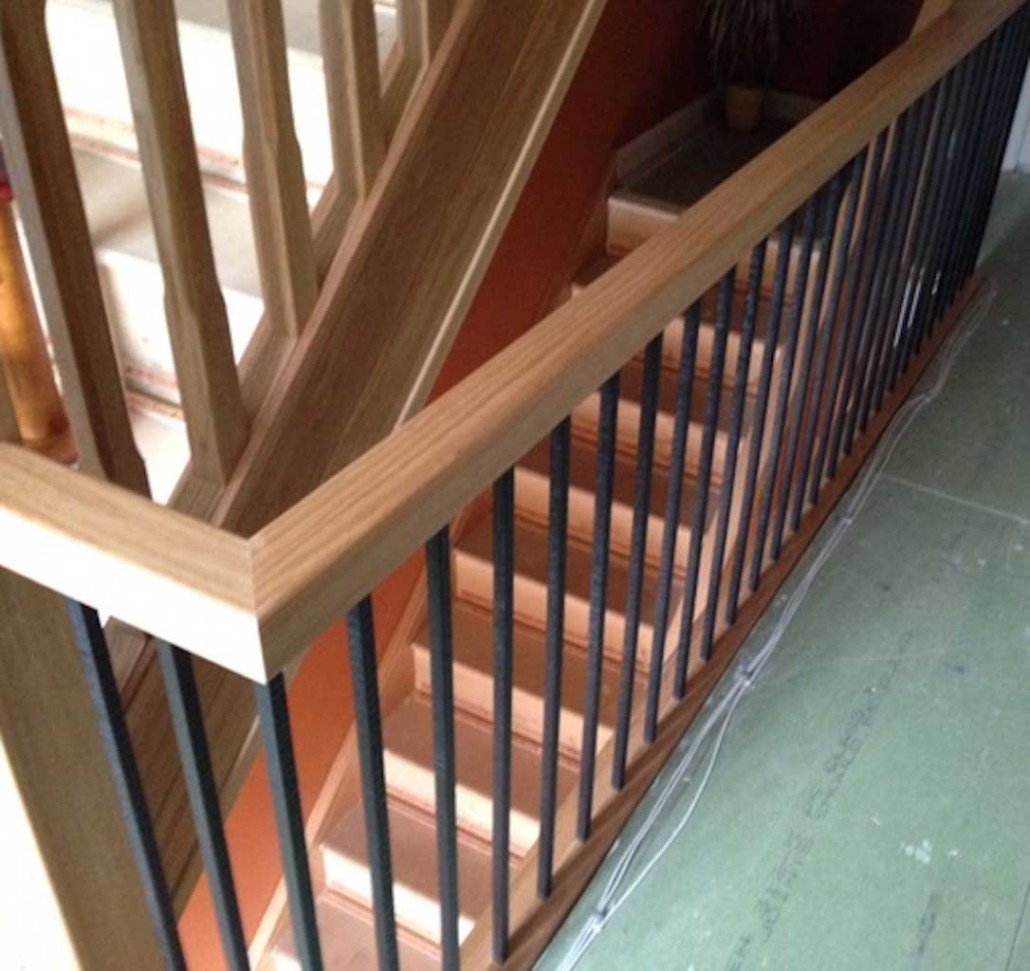
Oak treads mounted on steel stringers provide the clean lines associated with contemporary architecture while retaining the welcoming feel of natural wood. This combination suits both period renovations and modern new-build properties.
Timber also softens the visual appearance of metal, creating a staircase that feels comfortable rather than overly industrial. It also contributes to improved acoustics by reducing impact noise underfoot.
At Jarrods Staircases, many of our most successful projects combine steel frameworks with carefully selected hardwood treads to achieve the perfect balance between tradition and innovation.
Glass and Metal Staircases
Glass has become another popular companion to metal staircase designs. Together, these materials create bright, open interiors that maximise natural light.
Glass balustrades remove visual barriers while allowing the strength of the metal structure to remain understated. This combination works particularly well in entrance halls and open-plan living spaces where maintaining openness is a priority.
Many homeowners specifically request metal and stainless steel staircases with glass balustrades because they deliver a sophisticated appearance while remaining highly practical.
The combination creates a staircase that feels light and contemporary without compromising structural performance or safety.
Choosing Between Mild Steel and Stainless Steel
When deciding between mild steel and stainless steel, the intended application usually determines the best option.
Mild steel is generally the preferred choice for structural frameworks because it offers outstanding strength and excellent value. Once powder coated, it provides long-lasting durability while allowing complete flexibility over colour and finish.
Stainless steel is often selected for visible elements such as handrails, balustrades and decorative fittings where its corrosion resistance and refined appearance are particularly beneficial.
Both materials perform exceptionally well when used appropriately, and many bespoke staircases successfully incorporate both within the same design.
Modern Staircase Design Trends
Contemporary staircase design increasingly favours simplicity, clean lines and open spaces. Metal has become central to these trends because it allows designers to achieve slim, elegant profiles without sacrificing structural integrity.
Today’s modern metal staircases frequently feature floating treads, concealed supports and frameless glass balustrades. These elements combine to create staircases that appear almost weightless while remaining exceptionally strong.
Minimalist detailing also places greater emphasis on material quality and precision manufacturing. Every joint, weld and finish contributes to the overall appearance, making expert craftsmanship essential.
At Jarrods Staircases, we focus on combining modern engineering with traditional attention to detail to achieve staircases that remain timeless rather than trend-driven.
The Benefits of a Bespoke Metal Staircase
Every home presents unique design opportunities, which is why bespoke manufacturing is so valuable.
Our bespoke metal staircases are designed around each property’s specific dimensions, architectural style and the homeowner’s individual preferences. This ensures the finished staircase fits perfectly while complementing the surrounding interior.
Rather than adapting the home to suit a standard staircase, bespoke design allows the staircase to enhance the home naturally. Every aspect, from the framework and balustrades to the choice of finishes, can be tailored accordingly.
This level of personalisation results in a staircase that feels completely integrated into the property.
Why Customisation Matters
A staircase should reflect the character of both the property and its owner. This is why many clients choose custom metal staircases instead of standard designs.
Customisation allows complete freedom over dimensions, colours, materials and architectural details. Whether creating a dramatic centrepiece or a subtle contemporary feature, every element can be adjusted to achieve the desired result.
This flexibility also allows staircases to accommodate unusual layouts, restricted spaces or unique architectural requirements without compromise.
At Jarrods Staircases, we believe every staircase should feel individually crafted rather than mass-produced.
Why Quality Materials Make All the Difference
Selecting high-quality materials is essential to achieving a staircase that performs as well as it looks. Premium steel, expert fabrication and professional finishing all contribute to long-term durability and appearance.
A well-constructed metal staircase should remain stable, attractive and easy to maintain for decades. By investing in quality materials from the beginning, homeowners often enjoy lower maintenance costs and greater long-term value.
Equally important is choosing an experienced manufacturer who understands how different metals behave and how they should be combined within a staircase design.
Attention to detail throughout every stage of manufacturing ensures the finished staircase meets the highest standards.
Choosing the Right Metal Staircase for Your Home
There is no single metal that suits every staircase. The ideal solution depends on your home’s architecture, your design preferences and how the staircase will be used.
At Jarrods Staircases, we work closely with every client to recommend the most appropriate materials for their project. Whether the design calls for structural steel, stainless steel details, glass balustrades or oak treads, we ensure every element works together to create a staircase that is both practical and visually impressive.
A professionally designed metal staircase offers far more than strength alone. It provides architectural elegance, outstanding durability and complete design flexibility. With the right materials and expert craftsmanship, a bespoke staircase becomes a lasting investment that enhances both the beauty and value of your home for many years to come. Get in touch with our team of experts to find out more about our range of staircases.
Jarrod Matthews of Jarrods Staircases has been installing bespoke staircases up and down the country. What started as a family operated business has now expanded to a team of highly experienced professionals that pay attention to detail in the craftsmanship of wooden and metal designs that are superior and made to last.