


What Are the Stair Trends for 2026?
What Are the Stair Trends for 2026?
/in Staircases /by Jarrod MatthewsAt Jarrods Staircases, we’re always looking ahead at how design is evolving across UK homes. Staircases are no longer seen as purely functional features. They are now central to how a space looks, feels and flows. As we move into 2026, we’re seeing a shift towards cleaner lines, smarter use of materials and designs that balance style with everyday practicality.
For many homeowners, a staircase renovation is the starting point for updating their interiors. Rather than changing everything at once, the staircase becomes a focal feature that sets the tone for the rest of the home. With that in mind, understanding current trends can help you make choices that feel modern now while still standing the test of time.
The Rise of Floating Staircases
Floating staircases continue to grow in popularity and are set to remain a leading trend in 2026. Their ability to create a sense of openness makes them particularly appealing in UK homes, where space is often limited. By removing bulky structural elements and introducing open risers, floating staircases allow light to pass through and rooms to feel more connected.
We are seeing more homeowners choose bespoke floating staircases that are tailored to their layout. These designs often incorporate hidden steel supports and carefully engineered fixings to achieve that signature “floating” effect. The result is a staircase that feels modern, lightweight and visually striking.
Floating staircases are also being combined with other materials to soften their appearance. Timber treads, particularly in oak, are commonly used to add warmth, while glass balustrades help maintain the sense of openness. This combination creates a balanced look that suits both contemporary and transitional interiors.
Glass Balustrades as a Standard Feature
Glass balustrades have moved from being a premium option to becoming a standard feature in many modern staircase designs. In 2026, this trend is expected to continue, with more homeowners choosing glass for its ability to enhance light and space.
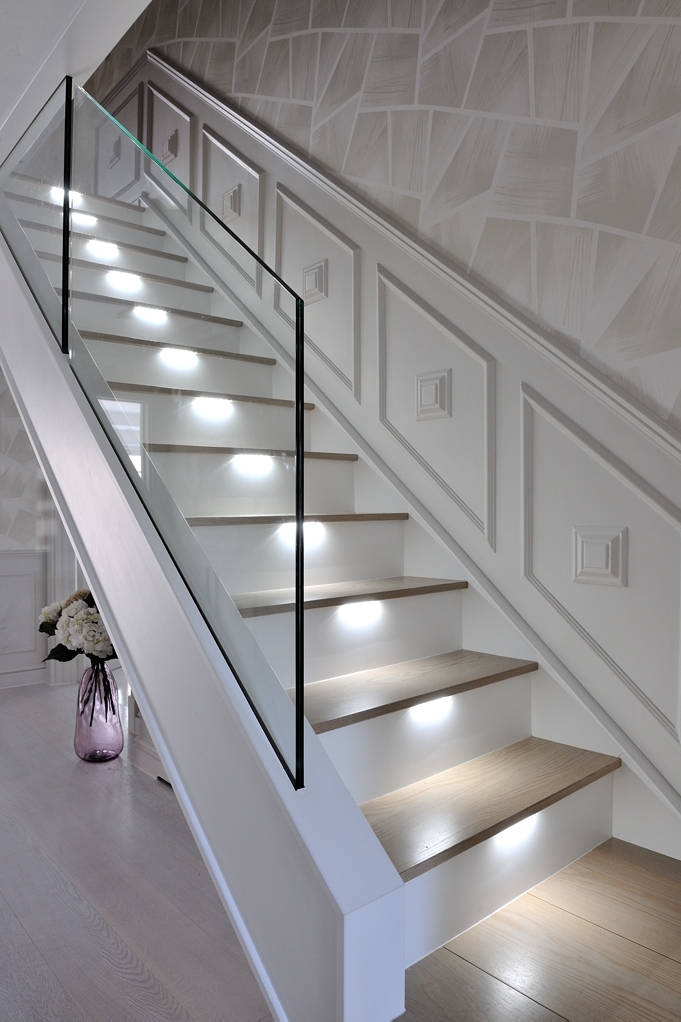
In UK homes, where natural light can be limited, glass balustrades make a noticeable difference. They remove visual barriers and allow light to flow freely between floors. Frameless designs are particularly popular, creating a seamless and minimal finish that complements modern interiors.
We are also seeing increased interest in custom glass solutions, including tinted or frosted panels for added privacy. These variations allow homeowners to personalise their staircase while maintaining a contemporary look. At Jarrods Staircases, we ensure all glass installations meet safety standards while delivering a clean and refined appearance.
Natural Materials and Warm Finishes
While modern design often leans towards minimalism, there is a growing trend towards incorporating natural materials. In 2026, timber will continue to play a key role in staircase design, particularly in the form of oak and other hardwoods.
Wooden staircases are being reimagined with a more contemporary approach. Instead of heavy, traditional detailing, we are seeing cleaner lines, lighter finishes and a focus on the natural grain of the timber. This creates a warm and inviting feel without compromising on modern style.
Combining wood with other materials is also becoming more common. For example, timber treads paired with glass balustrades or metal frameworks create a balanced design that feels both modern and timeless. This trend reflects a broader move towards interiors that feel comfortable and lived-in, rather than overly polished.
Bold Metal Features and Dark Finishes
Metal staircases are evolving in 2026, with a shift towards bolder finishes and stronger visual contrasts. Black metal balustrades and frameworks are particularly popular, offering a striking alternative to lighter materials.
In many UK homes, dark metal elements are being used to create definition and structure within open-plan spaces. These designs often feature slim profiles and clean lines, ensuring they remain elegant rather than overpowering. Powder-coated finishes provide durability while allowing for a range of colour options.
We are also seeing a rise in mixed-material designs, where metal is combined with wood or glass to create a layered effect. This approach adds depth and interest to the staircase, making it a true focal point within the home. At Jarrods Staircases, we work closely with clients to achieve the right balance between bold design and everyday practicality.
Minimalist Design and Clean Lines
Minimalism continues to influence staircase design, with a focus on simplicity and clarity. In 2026, this trend is less about stark, empty spaces and more about thoughtful, well-balanced design.
Staircases are being designed with fewer visible components, cleaner edges and a reduced visual footprint. This includes hidden fixings, slimline handrails and open structures that allow the staircase to blend seamlessly into the space. The aim is to create a design that feels effortless and uncluttered.
This approach works particularly well in smaller homes, where reducing visual noise can make a space feel larger. By keeping the design simple and refined, the staircase enhances the overall flow of the home rather than interrupting it. At Jarrods Staircases, we focus on achieving this balance, ensuring each design feels both modern and practical.
Integrated Lighting as a Design Feature
Lighting is becoming an increasingly important part of staircase design. In 2026, it is no longer just about visibility, but about creating atmosphere and highlighting architectural features.
Integrated lighting solutions, such as LED strips beneath treads or along handrails, are becoming more common. These subtle additions provide a soft glow that enhances the floating effect and adds depth to the design. Wall-mounted lights and recessed fittings are also being used to create a layered lighting scheme.
In UK homes, where natural light can vary throughout the day, well-designed lighting can make a significant difference. It not only improves safety but also adds a sense of warmth and sophistication to the space. By incorporating lighting into the design from the outset, we create staircases that look just as impressive in the evening as they do during the day.
Space-Saving and Multi-Functional Designs
With many UK homes working within limited space, there is a growing demand for staircases that offer more than just access between floors. In 2026, we are seeing an increase in designs that incorporate storage and multi-functional features.
The space beneath the staircase is being used more effectively, with built-in cupboards, shelving or even small workspaces becoming part of the design. Floating staircases, in particular, lend themselves well to this approach, as their open structure allows for flexible use of the surrounding area.
This trend reflects a broader shift towards practical, efficient living. Homeowners are looking for ways to maximise their space without compromising on style. At Jarrods Staircases, we design solutions that combine functionality with aesthetics, ensuring every part of the home is used to its full potential.
Blending Traditional and Contemporary Styles
Another key trend for 2026 is the blending of traditional and contemporary elements. Many UK homes feature period architecture, and homeowners are looking for ways to modernise without losing character.
This often involves retaining certain traditional features while introducing modern materials or finishes. For example, a wooden staircase might be updated with glass panels or a simplified handrail design. This approach creates a subtle contrast that feels both fresh and respectful of the original style.
At Jarrods Staircases, we understand the importance of this balance. Our designs aim to enhance the existing character of a home while bringing it in line with modern expectations. The result is a staircase that feels cohesive, stylish and appropriate for its setting.
Sustainability and Long-Term Design
Sustainability is becoming an increasingly important consideration in staircase design. In 2026, more homeowners are looking for materials and construction methods that are environmentally responsible and built to last.
This includes choosing high-quality materials that offer durability and require less frequent replacement. Timber from sustainable sources, long-lasting finishes and efficient manufacturing processes all contribute to a more sustainable approach.
At Jarrods Staircases, we focus on creating staircases that stand the test of time. By prioritising quality and thoughtful design, we ensure that each staircase remains a valuable feature of the home for years to come. Sustainability is not just about materials, but about creating designs that continue to perform and look good over time.
Looking Ahead with Confidence
Staircase design in 2026 is all about balance. It combines modern aesthetics with practical solutions, natural materials with clean lines, and bold features with subtle detailing. The result is a range of styles that allow homeowners to create spaces that feel both current and comfortable.
At Jarrods Staircases, we are proud to be part of this evolving landscape. We work closely with our clients to design bespoke staircases that reflect these trends while remaining true to their individual needs. Whether you are planning a full renovation or simply looking to update your staircase, understanding these trends can help guide your decisions.
A well-designed staircase has the power to transform a home. By embracing the trends of 2026 and combining them with expert craftsmanship, you can create a feature that enhances your space and adds lasting value.
Jarrod Matthews of Jarrods Staircases has been installing bespoke staircases up and down the country. What started as a family operated business has now expanded to a team of highly experienced professionals that pay attention to detail in the craftsmanship of wooden and metal designs that are superior and made to last.