


What Are Common Stair Design Mistakes?
What Are Common Stair Design Mistakes?
/in Staircases /by Jarrod MatthewsAt Jarrods Staircases, we’ve worked with homeowners across the UK who are looking to improve or completely redesign their staircases. While a staircase is often seen as a practical feature, its design has a huge impact on both the look and functionality of a home. When done well, it can enhance space, improve flow and act as a beautiful focal point. However, when mistakes are made during the design stage, the results can be frustrating, costly and sometimes unsafe.
We often see issues in homes where staircases have been poorly planned or installed without proper consideration of layout, materials or long-term use. Even with bespoke wooden staircases, which are designed to fit a space perfectly, mistakes can still occur if key factors are overlooked. In this guide, we’ll explore the most common staircase design mistakes and how to avoid them, helping you create a staircase that works as well as it looks.
Ignoring the Importance of Proportion and Scale
One of the most common mistakes in staircase design is getting the proportions wrong. A staircase that is too large can dominate a room and make the space feel cramped, while one that is too small can look out of place and feel uncomfortable to use. Achieving the right balance is essential, particularly in UK homes where space can often be limited.
We often come across staircases where the tread depth is too shallow or the rise is too steep. This not only affects comfort but can also pose safety risks. A staircase should feel natural to walk on, with consistent spacing and a comfortable rhythm from step to step. When proportions are not carefully considered, even the most visually appealing design can become impractical.
At Jarrods Staircases, we take detailed measurements and plan each staircase carefully to ensure it fits perfectly within the space. By focusing on proportion and scale from the outset, we create designs that are both functional and visually balanced.
Overlooking Natural Light and Visibility
Another common issue is failing to consider how a staircase interacts with natural light. In many UK homes, staircases are positioned in hallways or central areas that do not receive much daylight. A poorly designed staircase can make these spaces feel even darker and more enclosed.
Solid materials, bulky structures and enclosed designs can block light and create shadows, making the area less inviting. This is particularly noticeable in smaller homes, where light plays a key role in how spacious a room feels. Glass balustrades, open risers and lighter materials can all help improve visibility and brightness.
We often recommend designing staircases in a way that allows light to pass through rather than being obstructed. This not only improves the look of the space but also enhances safety by making each step clearly visible. A well-lit staircase feels more open, more welcoming and easier to use on a daily basis.
Choosing Style Over Practicality
It is easy to focus on aesthetics when designing a staircase, especially with so many modern styles available. However, prioritising style over practicality can lead to long-term issues. A staircase might look impressive, but if it is not comfortable or safe to use, it quickly becomes a problem.
We have seen examples where staircases are too narrow, lack proper handrails or use materials that are not suitable for everyday use. Slippery finishes, overly steep designs or awkward layouts can all affect usability. In family homes, these issues become even more important, as safety must always come first.
At Jarrods Staircases, we believe that good design should always balance form and function. A staircase should not only look great but also work seamlessly in daily life. By considering how the staircase will be used, we ensure that the final result is both practical and visually appealing.
Poor Material Choices
The materials used in a staircase have a significant impact on its durability, maintenance and overall appearance. Choosing the wrong materials can lead to wear and tear, frequent repairs and a finish that does not stand the test of time.
In the UK, where weather conditions can vary and homes experience regular use, it is important to select materials that are both strong and suitable for the environment. For example, softwoods may wear more quickly in high-traffic areas, while certain finishes may show marks and scratches more easily.
We often advise homeowners to invest in high-quality materials such as hardwoods, toughened glass and durable metals. These materials not only provide strength but also maintain their appearance over time. The right choice of material ensures that your staircase remains a long-lasting feature rather than a short-term solution.
Lack of Storage and Space Planning
In many homes, especially smaller properties, the space beneath the staircase is often underused. A common mistake is failing to consider how this area can be utilised effectively. This can result in wasted space that could otherwise be used for storage or functional features.
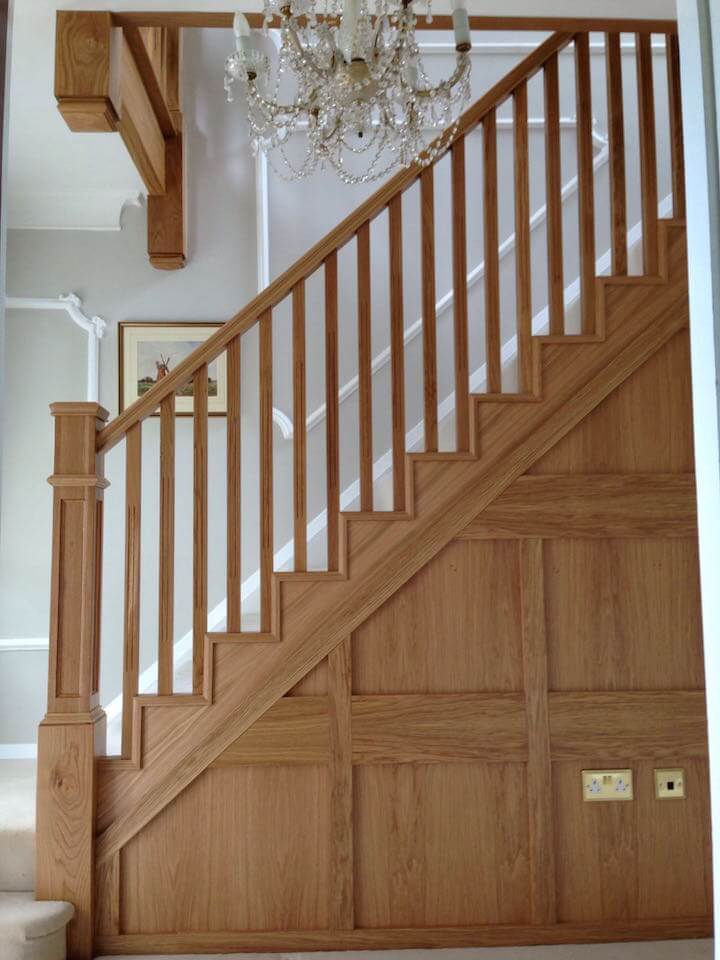
Modern staircase design often incorporates clever storage solutions, such as built-in cupboards or shelving beneath the stairs. This is particularly useful in homes where space is limited and every area needs to serve a purpose. Ignoring this opportunity can mean missing out on valuable storage.
At Jarrods Staircases, we design staircases with the surrounding space in mind. By considering how the area beneath the stairs can be used, we create solutions that maximise functionality without compromising on design. This approach helps homeowners make the most of their available space.
Inadequate Safety Features
Safety is one of the most important aspects of staircase design, yet it is sometimes overlooked in favour of aesthetics. Missing or poorly designed handrails, low balustrades or uneven steps can all create hazards within the home.
UK Building Regulations set clear guidelines for staircase design, including requirements for height, spacing and handrail placement. Ignoring these standards can lead to unsafe conditions and potential legal issues. Even small details, such as the spacing between spindles, play a role in ensuring safety.
We always ensure that every staircase we design meets or exceeds these regulations. Safety features can be incorporated in a way that complements the overall design, rather than detracting from it. A well-designed staircase should provide confidence and comfort for everyone who uses it.
Not Considering Long-Term Maintenance
Another mistake that is often overlooked is failing to think about maintenance. Some staircase designs may look appealing initially but require a high level of upkeep to maintain their appearance. This can become inconvenient over time.
Materials such as glass and polished metals can show fingerprints and marks more easily, while certain finishes may require regular treatment to prevent wear. Without proper planning, a staircase can quickly lose its original appeal.
At Jarrods Staircases, we discuss maintenance requirements with our clients during the design stage. By choosing materials and finishes that suit your lifestyle, we help ensure that your staircase remains easy to care for. A well-planned design should not only look good on day one but continue to perform well in the years ahead.
Poor Integration with the Rest of the Home
A staircase should feel like a natural part of your home, not an afterthought. One of the most common design mistakes is failing to integrate the staircase with the overall interior. This can result in a feature that looks out of place or clashes with the surrounding décor.
Consistency in materials, colours and style is key to achieving a cohesive look. For example, a modern staircase may not suit a traditional interior unless it is carefully designed to bridge the two styles. Similarly, mismatched finishes can disrupt the flow of a space.
We work closely with homeowners to ensure that each staircase complements the wider design of the home. By considering flooring, lighting and architectural details, we create staircases that feel connected to their surroundings. This attention to detail makes a significant difference in the final result.
Rushing the Design Process
Perhaps the most significant mistake is rushing the design process. A staircase is a long-term feature, and decisions made in haste can lead to issues that are difficult to correct later. Taking the time to plan, measure and consider all aspects of the design is essential.
We often encounter projects where shortcuts have been taken, resulting in poor fit, awkward layouts or compromised safety. These issues can be costly to fix and may require extensive alterations. A well-thought-out design, on the other hand, ensures a smoother installation and a better end result.
At Jarrods Staircases, we take a careful and considered approach to every project. From initial consultation to final installation, we focus on getting every detail right. This ensures that the staircase not only meets expectations but exceeds them.
Creating a Staircase That Works
Avoiding common design mistakes is key to creating a staircase that enhances your home. By focusing on proportion, light, materials and functionality, it is possible to achieve a design that is both practical and visually appealing.
At Jarrods Staircases, we combine experience, craftsmanship and attention to detail to deliver bespoke solutions tailored to each home. Whether you are renovating an existing staircase or planning a new design, we are here to guide you through the process.
A well-designed staircase is more than just a way to move between floors. It is an opportunity to improve your space, add value to your home and create something that you can enjoy every day. With the right approach, you can avoid common mistakes and achieve a result that stands the test of time. Contact us for a free quote on your staircase project.
Jarrod Matthews of Jarrods Staircases has been installing bespoke staircases up and down the country. What started as a family operated business has now expanded to a team of highly experienced professionals that pay attention to detail in the craftsmanship of wooden and metal designs that are superior and made to last.