


How to make stairs safe for the elderly
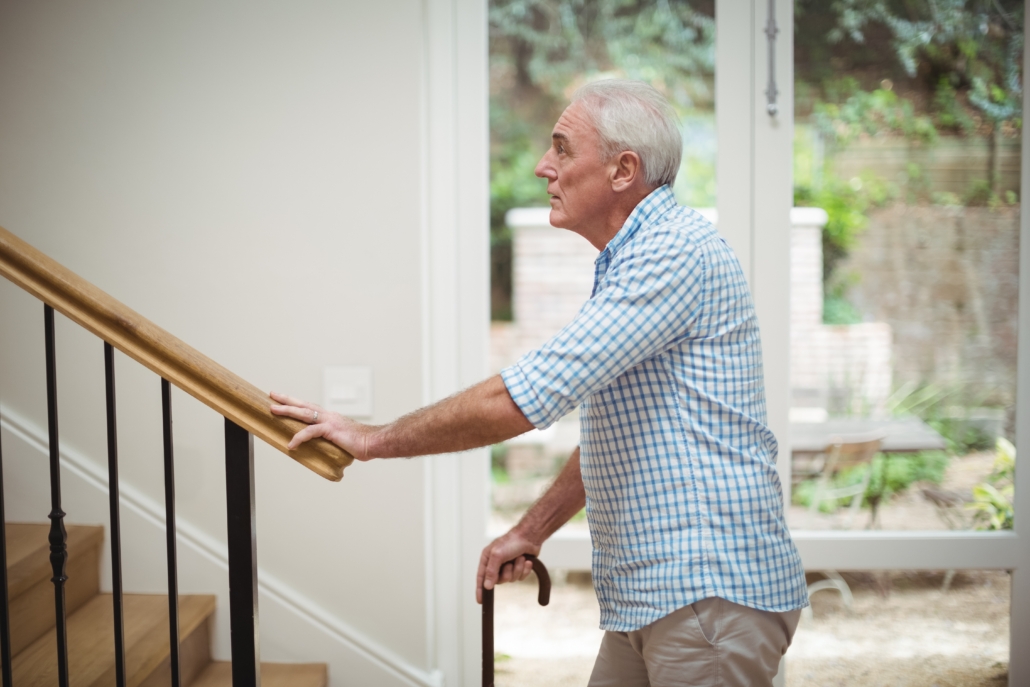
How to make stairs safe for the elderly
Stairs are part of everyday life in most homes – but as we get older, they can start to feel more challenging. What was once a quick trip upstairs can become something that requires more care and attention. For many families, making sure stairs are safe is an important step in helping older loved ones stay independent and confident at home.
The good news is that there are many simple, practical ways to improve stair safety. From small adjustments to full staircase renovations and upgrades, the right changes can reduce the risk of falls and make moving between floors much easier.
In this guide, we explain why stair safety matters, highlight common hazards to look out for, and explore how you can modify stairs to make them safer and easier to use.
Why stair safety is important for older adults
Falls are one of the most common causes of injury in older people in the UK. Stairs are a high-risk area because they combine height, movement and balance. Even a small misstep can lead to serious injury.
As we age, we may experience:
- Reduced balance
- Slower reaction times
- Weaker muscles and joints
- Poorer eyesight.
All of these factors can make climbing up and down stairs more difficult. That’s why stair safety should never be overlooked.
A well-designed staircase with secure handrails, good lighting and slip-resistant surfaces can help older adults stay independent in their own homes for longer. At Jarrods Staircases, we understand that safety and style should go hand in hand. A staircase can look beautiful while still being practical and secure.
Common stair hazards in the home
Before making changes, it’s important to understand the common hazards that increase the risk of falls.
Loose or worn carpets
Carpet that is frayed, bunched up or not properly fixed can cause trips. Stair rods that have come loose can also be dangerous.
Slippery wooden treads
Polished wood may look stunning, but it can become slippery – especially when wearing socks.
Poor lighting
Dim lighting makes it harder to judge each step clearly. Shadows can make it difficult to see the edge of the tread.
No handrail – or just one
Many older staircases only have one handrail, or sometimes none at all. This offers little support when climbing or descending.
Uneven steps
Older properties sometimes have steps that vary slightly in height or depth. Even small differences can increase the risk of tripping.
If your staircase shows signs of wear or doesn’t meet modern safety standards, it may be time to consider professional advice. A bespoke staircase from Jarrods Staircases can be designed to meet current building regulations while also improving comfort and ease of use.
How to modify stairs for elderly
There are several ways to adapt stairs to make them safer. Some changes are quick fixes, while others may require professional installation.
Install sturdy handrails on both sides
Having a handrail on each side of the staircase provides extra support and stability. Handrails should be easy to grip and securely fixed to the wall.
Improve lighting
Bright, even lighting is essential. Consider installing wall lights along the staircase or LED strip lighting beneath each tread to clearly define every step.
Add non-slip surfaces
Anti-slip stair treads or clear grip strips can be fitted to wooden steps to reduce the risk of slipping. If you prefer carpet, ensure it is tightly fitted and in good condition.
Ensure consistent step height and depth
If your staircase feels awkward or uneven, a redesign may be the safest option. A professionally crafted staircase can ensure each tread and riser is built to precise measurements, improving comfort and safety.
Consider a stairlift if needed
For those with significant mobility issues, a stairlift may be appropriate. A strong, well-built staircase is essential to safely support this addition.
At Jarrods Staircases, we design and manufacture bespoke staircases tailored to your home. If safety is a priority, we can recommend design features such as wider treads, gentle rises and secure balustrades to give you complete peace of mind.
How to make stairs easier for elderly
Making stairs safer is one thing – but making them easier to use can greatly improve quality of life.
Choose a comfortable stair pitch
The pitch refers to how steep the staircase is. A gentler pitch can make climbing feel less tiring and more stable.
Wider treads
Wider steps provide more foot space, allowing for better balance. This is especially helpful for those who move more slowly.
Easy-grip balustrades
Balustrades and spindles should feel secure and solid. A well-designed banister that’s comfortable to hold can increase confidence with every step.
Clear step edges
Adding a contrasting strip or nosing to each step edge can make them easier to see, especially for those with reduced vision.
Keep the staircase clutter-free
Shoes, bags and other items should never be left on the stairs. Keeping the area clear reduces trip hazards immediately.
If your current staircase feels too steep, narrow or unstable, it may be worth exploring a replacement. Jarrods Staircases offers bespoke solutions designed around your space and your needs. Whether you live in a period property or a modern home, a custom staircase can be built to improve both safety and appearance.
We combine high-quality materials with expert craftsmanship to ensure every staircase is built to last. More importantly, we design with real people in mind – creating staircases that support daily life safely and comfortably.
The first step…
Making stairs safe for elderly family members doesn’t have to mean compromising on style. With the right adjustments, you can create a staircase that looks beautiful, feels secure and supports independence for years to come.
If you’re unsure where to start, seeking professional guidance is always a wise step. A carefully designed staircase could make all the difference – providing confidence, stability and peace of mind in your home.
Get in touch today to find out more.
Jarrod Matthews of Jarrods Staircases has been installing bespoke staircases up and down the country. What started as a family operated business has now expanded to a team of highly experienced professionals that pay attention to detail in the craftsmanship of wooden and metal designs that are superior and made to last.